
Guide
Porter by day, crew by night: what your San Jose property needs
A Downtown San Jose lobby at noon and that same lobby at midnight call for different kinds of care. This guide sorts out which buildings need a porter, which run fine on nightly janitorial visits, and how the two share the work.
Two kinds of work on two different clocks
Nightly janitorial service works while the building is empty. With desks cleared and hallways quiet, the crew can vacuum every carpeted route, clean restrooms from fixtures to floors, wipe down open work surfaces and haul out the day’s waste without stepping around anyone. Each room gets its turn at the frequency its use calls for, and by morning the place has been reset.
A porter, by contrast, works while the building is full of people. The job is a steady loop rather than a deep clean: the entry glass that collects fingerprints by ten, the restroom that runs short of paper towels after lunch, the coffee that hits the breakroom floor at three. A porter catches those moments as they happen, so nobody walks past them for the rest of the afternoon.
Put plainly, janitorial service restores the building, and porter coverage protects that result through the hours people are actually in it. One is about thoroughness, the other about timing.
Buildings that run well on nightly visits alone
A San Jose property with light daytime traffic may never need a porter. A professional office in Almaden with a modest team and few walk-in visitors stays in good order from one evening visit to the next. Traffic is light, the restrooms are shared by people who know each other, and nothing piles up fast enough to be noticed before the crew returns.
The same holds for a back-office suite, a quiet R&D workspace or a school building after the last bell, where cleaning slots neatly into the hours when rooms sit empty. For spaces like these, the smarter move is tuning the evening schedule room by room. Restrooms and breakrooms come up on every visit, and lightly used offices move to a slower rotation. Our recurring janitorial services are built around exactly that kind of room list.
Buildings that need someone on site during the day
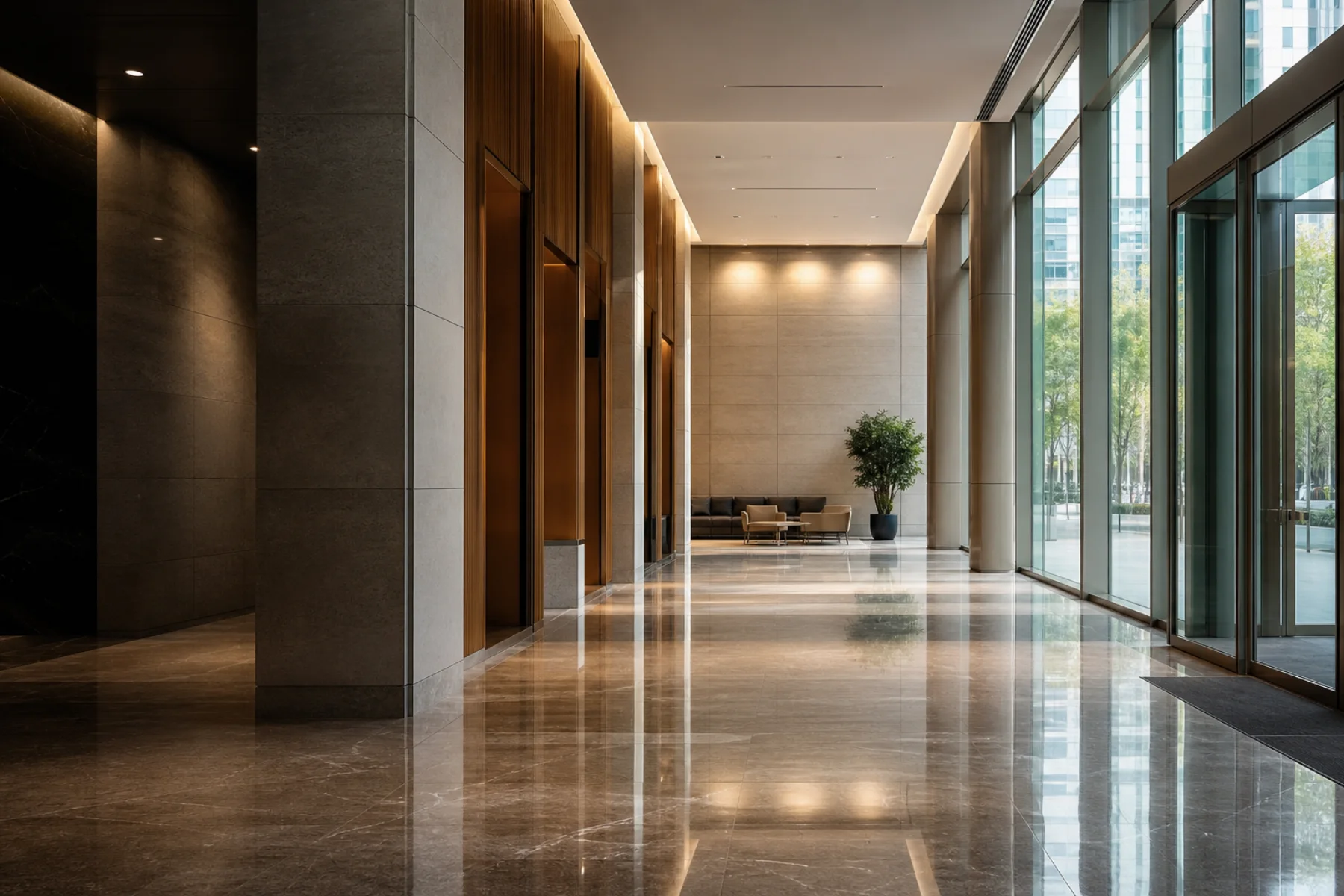
A porter earns its place wherever traffic outruns the cleaning schedule. A Downtown San Jose tower with a shared lobby sees tenants, couriers and guests from early morning into the evening, and the lobby floor and front doors show it within hours. A North San Jose campus moves people between buildings, breakrooms and meeting rooms all day. A busy retail center fills its restrooms and walkways around shopping hours.
In each of these, waiting for the evening crew means the afternoon crowd inherits the mess the morning crowd left. A porter closes that gap. Lobbies stay presentable for the next arrival, restrooms stay stocked with paper and soap, and small spills are handled before they get tracked down a hallway.
Venues are another strong fit. During a gathering, someone has to keep guest restrooms and bins under control while the room is full, then hand the space over for the full cleanup afterward, which is how event venue cleaning is arranged.
How the two schedules share one building
Busy properties do well with both, and the split is easy to describe. The evening crew takes everything that needs an empty room: full restroom cleaning, vacuuming every carpeted route, wiping desks people have cleared, emptying every bin and cleaning hard floors edge to edge. The porter takes everything that cannot wait for evening.
That division keeps both services efficient. The porter is not trying to vacuum a whole floor around people on calls, and the janitorial crew does not walk into a lobby that has gone untouched since breakfast. Each visit starts from a better place than it would on its own, and our San Jose cleaning prices guide shows what each one costs.
Coverage can be shaped to the building. A porter can stay on site for the full working day or cover only the lunch rush and the afternoon peak. A San Jose day porter shift can also take in litter along the exterior edges of the property you select, so the walk up to the front door matches the lobby.
Questions that settle the choice
The walkthrough is where this decision gets made. Every quote includes an on-site walkthrough, and the most useful thing you can bring to it is a clear picture of how your building is used from opening to close.
Pay attention to when complaints arrive. If people grumble about restrooms first thing in the morning, the evening schedule needs adjusting. If the grumbling starts at two in the afternoon, the building needs daytime attention, and more night visits will not fix it. For setting those evening frequencies, see how often a commercial space should be cleaned.
A few useful answers
Quick answers.
Will a day porter get in the way of people working at their desks?
A porter’s loop centers on lobbies, restrooms, breakrooms and entrances, so private work areas stay quiet. Papers and devices are left exactly where people put them.
Can porter hours cover only the busiest part of the day?
Yes. A porter can be booked just for the lunch rush and the afternoon peak, or kept on site for the full working day.
Once a porter is on site, do we still need the night crew?
Yes. The porter keeps rooms presentable while the building is in use, and the evening visits handle the fuller cleaning that needs empty rooms.
How can I tell whether my building needs a porter?
Notice when the mess appears. Problems that show up by mid-afternoon point to daytime coverage, while problems that greet people at opening point to the evening schedule.
Resources
Related guides
Services